
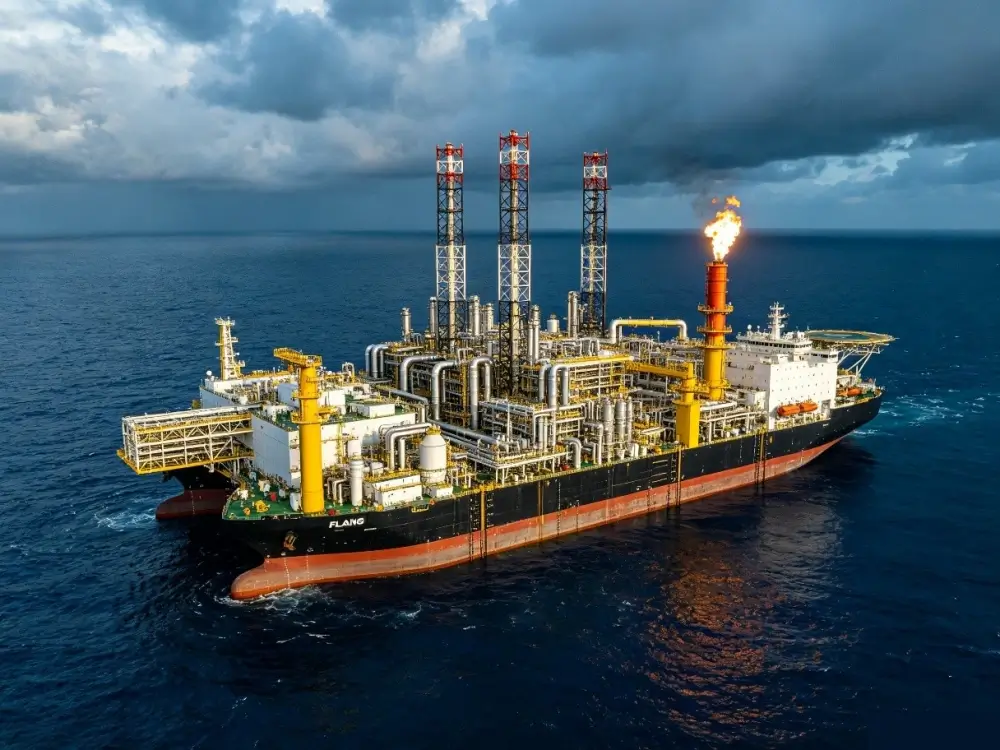
The configuration of FLNG varies depending on the project and designer, and the following are key configurations based on mainstream solutions:
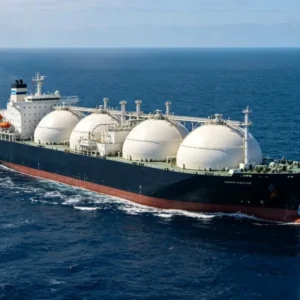
Scale and Capacity: The scale of modern large-scale FLNG is astonishing. For example, the “NGUYA FLNG” has a total length of 376 meters, a width of 60 meters, and an annual liquefaction capacity of up to 2.4 million tons. The larger Coral Norte has a captain of 432 meters.
Liquefaction process: As the most core technology, FLNG usually adopts a combination of multiple liquefaction processes, such as the common mixed refrigerant process or the nitrogen expansion refrigeration process that is more suitable for offshore environments. Renowned technology providers such as Chart Industries have applied their IPSMR technology to multiple projects.
Storage capacity: FLNG has enormous storage capacity. Taking “NGUYA FLNG” as an example, its LNG reserves are 180000 cubic meters. Some devices also have the ability to store LPG (liquefied petroleum gas) and condensate.
Power system: Large FLNG usually uses gas turbines as the main generator set to provide electricity for the liquefaction process and daily life of the entire ship.


Reviews
There are no reviews yet.