
Width: Approximately 60 meters
Depth: about 30 meters
Structural draft: approximately 22.5 meters
Speed: 14.5-15.8 knots
Propulsion method: single propeller propulsion; Modern VLCCs are widely equipped with MAN B&W or WinGD low-speed two-stroke dual fuel engines
Main engine power: The main engine power of large oil tankers can reach 22.5 MW or more
Range: Approximately 20000-2500 nautical miles
The new generation of oil tankers significantly improves propulsion efficiency by optimizing their line shape, configuring efficient propellers, and energy-saving devices.
🌱 Environmental Protection and Safety Configuration
Modern oil tankers fully implement the concept of green and environmentally friendly design:
Double shell structure: The cargo oil tank area is enclosed by a double bottom, double shell, isolated empty compartment, and deck, effectively reducing the risk of accident pollution
Emission control: Equipped with SCR system, nitrogen oxide emissions meet NOx Tier III standards
Carbon emissions: Energy Efficiency Design Index (EEDI) meets Phase III requirements
Dual fuel power: LNG dual fuel, methanol reserve, ammonia fuel reserve have become mainstream directions
Compliant with specifications: Meets the latest Common Structural Code (CSR) of the International Association of Classification Societies (IACS)
🧊 Cargo hold and structural configuration
Double hull oil tanker: The cargo oil tank area is enclosed by a double bottom, double hull, isolated empty compartment, and deck. It is prohibited to load cargo oil or fuel oil inside the double bottom and double hull
Cargo oil tank layout: compartments are separated by longitudinal bulkheads, and the height of the double bottom increases with the width of the ship. For medium-sized ships, it is about 2-2.5 meters, and for large ships, it can reach up to 3 meters
Number of cabins: Taking VLCC as an example, cargo oil tanks are usually arranged in five rows, totaling 17 cabins
Unloading equipment: using steam driven turbine centrifugal cargo oil pump, the theoretical unloading rate of a single pump is about 5500 cubic meters per hour
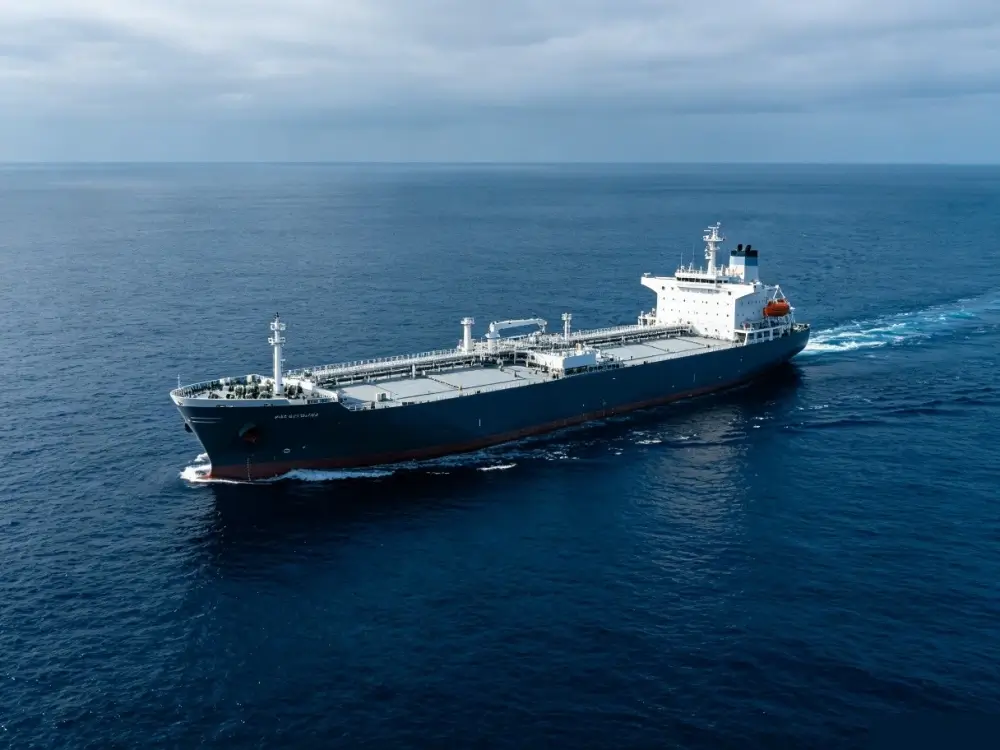
The configuration of oil tankers is a comprehensive reflection of ship engineering, safety technology, and environmental standards. As the global shipping industry transitions towards green and low-carbon, the new generation of oil tankers is continuously evolving towards a more environmentally friendly, intelligent, and efficient direction.
Products
Oil Tankers
Crude oil and product tankers built to international standards with advanced cargo handling and safety systems.


Reviews
There are no reviews yet.