Power and propulsion system
Propulsion method: The mainstream adopts dual engine, dual propeller, and dual rudder configurations, and some designs adopt single engine and single propeller configurations.
Main engine power: The optimized ship’s main engine power is 1610 kW × 2, and the first model is 1471 kW × 2.
Design speed: The design speed is about 11 knots.
Economic speed: 85% MCR speed has been optimized to increase by about 2 knots.
🏗️ Cargo hold and loading/unloading system
Cargo hold optimization: The cargo hold has been optimized from 3 compartments to 2 compartments, with a capacity of approximately 16886 cubic meters. Compared to ships of the same type, the carrying capacity has increased by about 8% and energy consumption has decreased by about 10%.
Improved loading and unloading efficiency: The general unloading time is 12-24 hours, but after optimization, it can be shortened by 4-6 hours.
Double load line design: with a draft of about 6.8 meters in the sea and 8 meters in the Yangtze River, it combines economy and airworthiness.
Double deck design: Some ship types adopt a double deck design, with a cargo hold capacity of up to 20570 m ³, especially suitable for carrying lightweight goods.
🌱 Environmental Protection and Economy
Energy consumption advantage: Compared to ships of the same tonnage, it increases the carrying capacity by about 8% and reduces energy consumption by about 10%.
Using light oil: more in line with the environmental requirements of the Yangtze River Economic Belt.
Crew cost: With fewer crew members than sea vessels, the cost is significantly reduced.
LNG power direction: Some container ships of the same tonnage have adopted LNG as a single fuel, reducing carbon emissions by 20% -30% and particulate matter emissions by more than 90%.
📋 Classification and Airworthiness
Classification society: Multiple classifications are made to China Classification Society (CCS).
Airworthiness basis: Designed in accordance with CCS’s “Code for Construction of Direct River Sea Ships on Specific Routes” and “Technical Rules for Statutory Inspection of Direct River Sea Ships on Specific Routes”.
Airworthy navigation area: It can navigate on specific routes 1-1, 1-2, and inland A-level navigation areas.
Route coverage: Fully loaded, it can directly reach multiple ports in the middle reaches of the Yangtze River, such as Jiujiang, Huangshi, Wuhan, and Yueyang.
Projects
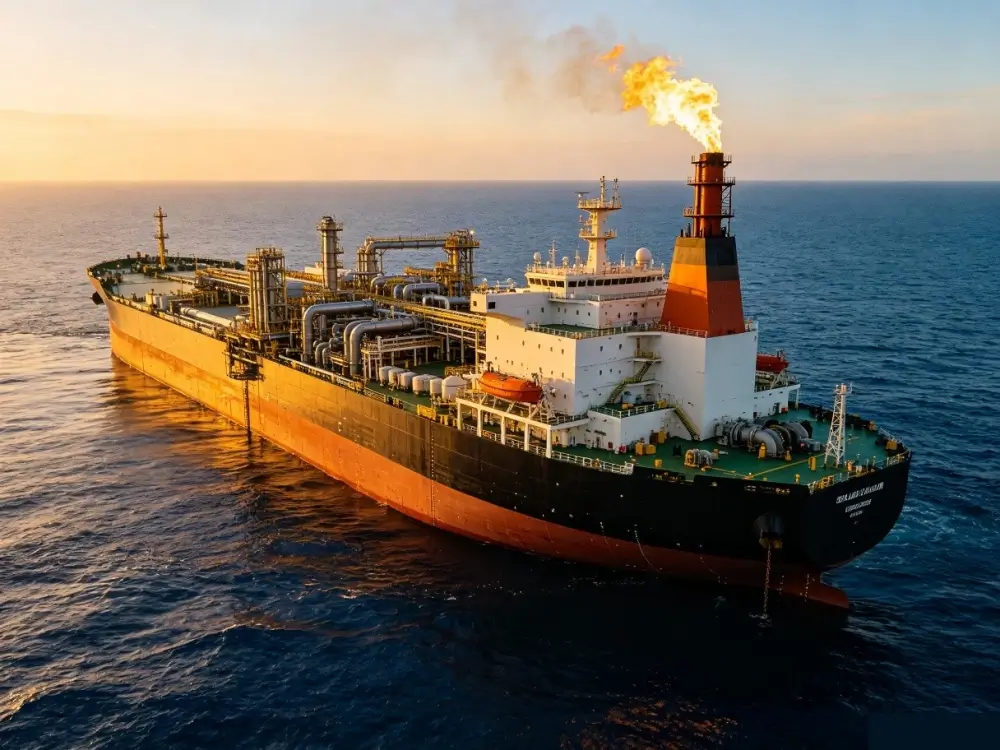
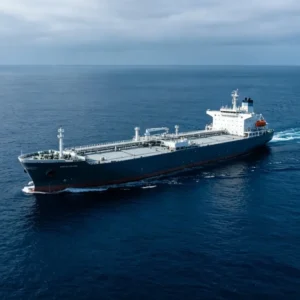
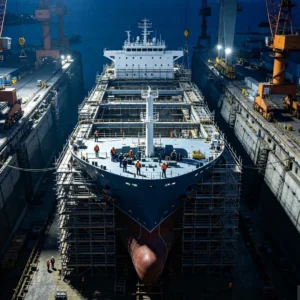
14,000 DWT River-Sea-Going Cargo Vessel
River-sea-going cargo vessel enabling seamless connection between inland waterway and coastal routes for improved logistics efficiency.


Reviews
There are no reviews yet.